

Shopping Bag
No products in the cart.
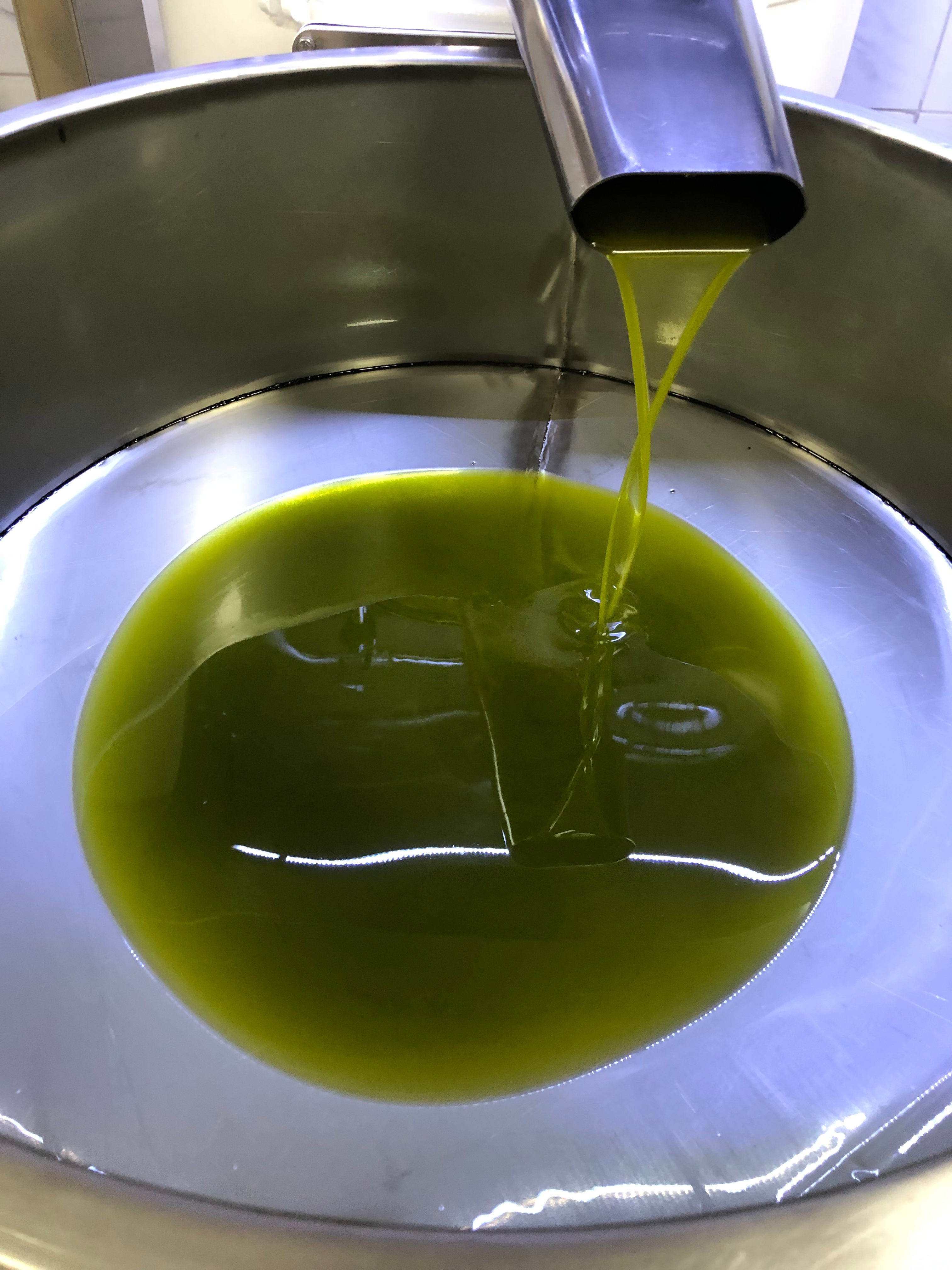
For centuries, olive oil has been a daily staple—and a form of natural medicine—throughout the Mediterranean. Today, modern research supports what those cultures long understood: regular olive oil consumption is associated with significantly better long-term health, especially when it replaces butter and other saturated fats common in the American diet.
Large population studies show that people who consume about ½ tablespoon of olive oil per day have a 19% lower risk of premature death from any cause compared to those who rarely consume it. At the same intake level, olive oil consumption is associated with a 15–21% lower risk of heart disease, the leading cause of death in the United States.
Olive oil’s benefits extend beyond heart health. Research has found that higher olive oil consumption is associated with a 17% lower risk of death from cancer compared to low consumption. Populations that regularly consume olive oil—particularly as part of a Mediterranean-style diet—also show lower rates of breast, colorectal, and digestive tract cancers.
These protective effects are largely attributed to olive oil’s high concentration of polyphenols, powerful plant compounds with antioxidant and anti-inflammatory properties. Chronic inflammation and oxidative stress are known contributors to cancer development, and olive oil’s polyphenols help neutralize these processes at the cellular level.
Unlike butter, which is high in saturated fat, olive oil is rich in monounsaturated fats that improve cholesterol balance by lowering LDL (“bad”) cholesterol while supporting HDL (“good”) cholesterol. Extra-virgin olive oil also improves blood vessel function and reduces systemic inflammation—factors linked not only to heart disease, but also to cancer, diabetes, and neurodegenerative conditions.
In practical terms, replacing just one tablespoon of butter per day with olive oil is associated with a 5–7% reduction in cardiovascular disease risk, without changing total calories or eating habits. Similar replacement patterns are linked to reduced inflammation and improved metabolic health.
You don’t need to overhaul your diet to see benefits. Using 1–2 tablespoons of olive oil per day—for cooking, salad dressings, or finishing vegetables—is enough to make a measurable difference when used consistently and in place of solid animal fats.
For Americans accustomed to butter, olive oil represents one of the simplest, most effective food swaps available. Backed by decades of research, it supports heart health, helps lower cancer risk, and promotes longevity—not as a supplement or trend, but as a daily, time-tested food.